
Discover the remarkable work happening in Cochise County, and how it’s changing the equation!
Take a look inside School Connect’s recent training and coaching in Cochise County, and see how it’s changing the equation for kids, educators, and communities.
Bisbee, Tombstone, Elfrida, and Sierra Vista in Cochise County are small, rural communities spread across a landscape where districts can be separated by an hour-and-a-half of highway. Resources are often thin. Turnover is real. And the weight that educators carry here is heavy.
But something remarkable is also happening in Cochise County, and it’s worth telling!
Thank you CAFE Sponsors for partnering with School Connect to serve Arizona schools!


Keep reading to hear how recent CAFE trainings are making the difference for rural Cochise County!

It Started With a Room Full of People Who Care
That’s the thing people don’t always realize about communities, even the ones that look stretched thin on paper: the desire to help is almost always already there.
Early this year, Tracey Beal drove to Cochise County and spoke with faith and business leaders who wanted to give back and serve schools there.
That’s the thing people don’t always realize about communities, even the ones that look stretched thin on paper: the desire to help is almost always already there. What’s missing is a clear way in.
Those early conversations laid the groundwork for what came next — a three-session, all-day training and coaching that brought together superintendents, principals, pastors, business owners, and nonprofit leaders from across the county. Not in separate conversations. Together.

The Training: From Dreams and Data to a Real Plan
What happens during School Connect training starts in a place most strategic planning skips entirely: hope.
What happens during School Connect training starts in a place most strategic planning skips entirely: hope. Instead of beginning with a list of problems or a budget spreadsheet, School Connect guides school teams through a process of naming what they actually dream of for their students, their families, and their staff. What would it look like if kids were truly thriving here? What does that campus feel like?
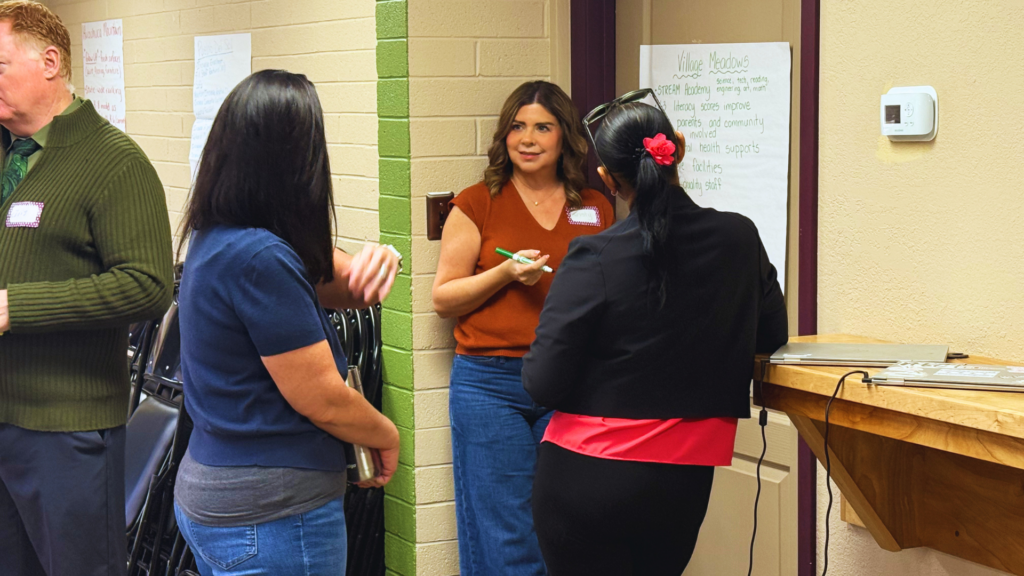
From there, teams take a fresh look at their data, including not just academic scores, but student behavior, teacher retention, and family engagement, to identify the goals that matter most right now. Then they connect those goals to concrete, calendared projects that are realistic and sustainable, not just a list of good intentions that fade by October.
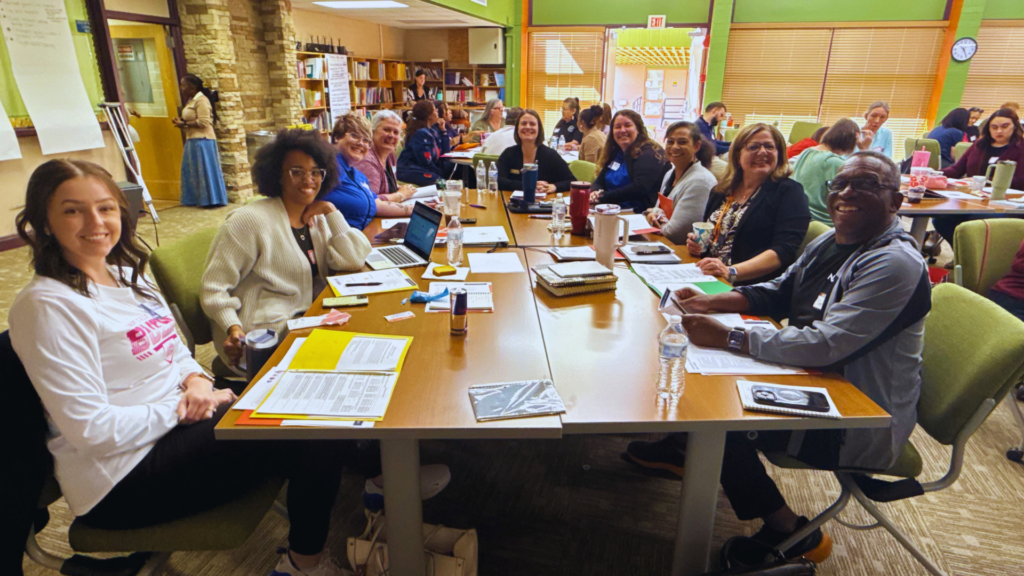
It sounds straightforward. But most schools are not doing this kind of focused, collaborative planning on their own. And the difference between having a framework and not having one is the difference between clarity and overwhelm.
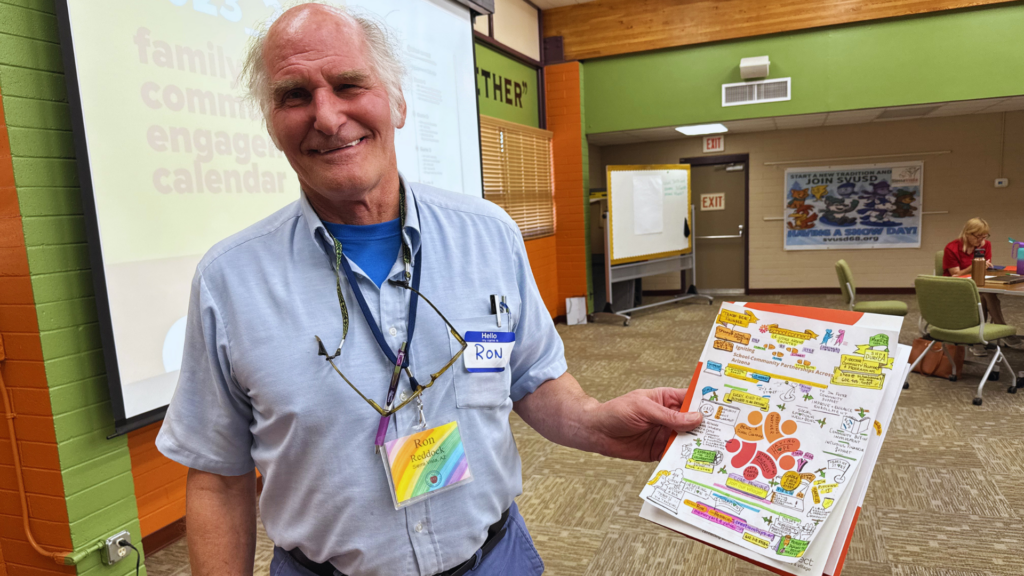
In Cochise County, the training was designed intentionally and spread across three sessions, one month apart, from February through April. That spacing was deliberate. It gave educators and community partners time between sessions to return to their schools and organizations, reflect on what they were learning, and begin taking action.
The Surprising Impact Between Sessions
Before we even completed our training sessions, impact was already happening!
Before we even completed our training sessions, impact was already happening!
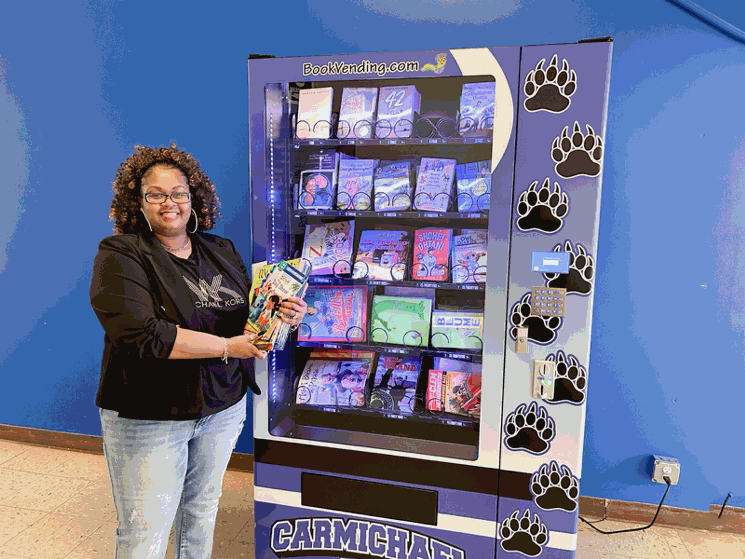
Between the second and third sessions, a business leader seated at a school’s training table heard that the school had a book vending machine — and that it was running low on books. So, she went back to her company, shared the story, and rallied her colleagues. By the time the third training session arrived, she was standing next to a fully stocked vending machine. Done!
The CAFE: Bringing the Village to the Table
The next step is one of the most powerful parts of the School Connect model: the CAFE — Community And Family Engagement.
Once a school team has gone through training and has clarity about their goals and priority projects, the next step is one of the most powerful parts of the School Connect model: the CAFE — Community And Family Engagement.
A CAFE is a guided gathering where principals and school staff sit down with faith leaders, business leaders, nonprofit organizations, government officials, parents, and neighborhood partners — all in the same room, in the same conversation. And crucially, because the hard work of training has already happened, the school doesn’t come to that table asking vaguely for “support.” They come with clarity. They can say: here is where our students are struggling, here is what we are working toward, and here are specific projects where your strengths could make a real difference.
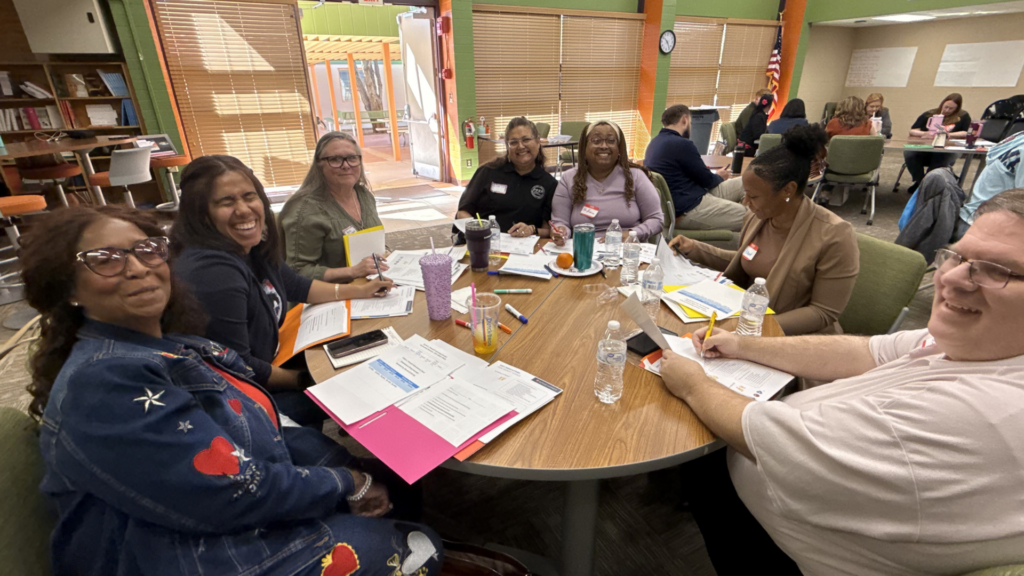
That specificity changes everything. It shifts the conversation from charity to collaboration. Partners aren’t just writing a check — they’re co-owning a goal. And when that happens, their respect for educators deepens.

What they discovered surprised many of them: community partners are not waiting to be impressed. They’re waiting to be invited. They want to help. They just don’t always know how.
The Voices That Changed the Room
Asking for help becomes the doorway to something far bigger than any one person or organization can build alone.
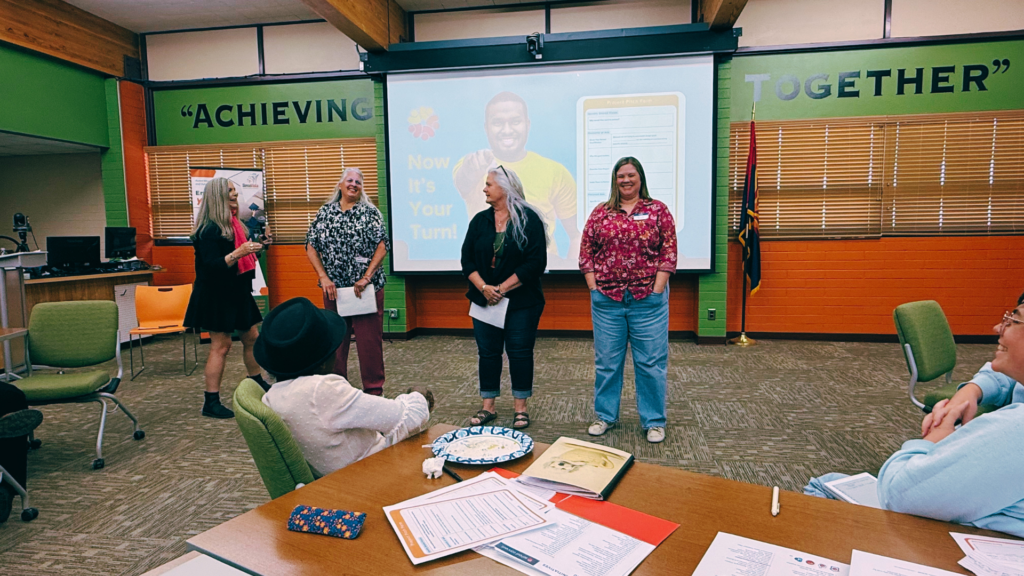
In the final Cochise training session, something else happened that doesn’t always make it into the program outline but may have been the most powerful moment of all.
A panel of community partners, including business leaders, faith leaders, and government officials, sat in front of the room and spoke honestly. They said, over and over: we really want to help. We don’t always know how. We need educators to guide us.
And educators listened, not as people being offered charity, but as leaders whose knowledge and vision were sought. The posture in the room shifted. What had felt like a burden began to feel like a shared purpose. Asking for help, it turns out, is not a sign of failure. It is the doorway to something far bigger than any one person or organization can build alone.
What’s Next: The First Countywide CAFE & Love Our Schools Day
The most remarkable part of the Cochise story may still be ahead.
Inspired by everything they experienced in training, the county is now planning something that has never been done before in the School Connect network. On September 23rd, all the districts across Cochise County will host their CAFEs simultaneously. Same time. Same day. Each in their own community, but together in spirit and purpose.
One month later, on October 24th, they’re planning a countywide Love Our Schools Day, where educators and communities will show up on the same Saturday to serve. It’s never been done at this scale, but the excitement to do it came from the leaders who went through training together and decided to dream big.
What This Means for Your School or District
Training and coaching are where that clarity begins. The CAFE is where the village gathers. And Love Our Schools Day becomes a catalytic moment in a much larger, ongoing story.
The challenges Cochise County is navigating, including attendance, teacher retention, family engagement, and doing more with less, are not unique to rural Arizona. They are the daily reality of schools everywhere.
Those problems don’t exist in a vacuum, and they can’t be solved by one person, one budget line, or one department. They exist in ecosystems — with a school side, a family side, and a community side. Solving them requires everyone working together with clarity and trust.
Training and coaching are where that clarity begins. The CAFE is where the village gathers. And Love Our Schools Day becomes a catalytic moment in a much larger, ongoing story.

If you’re an educator, principal, district leader, or community leader reading this and wondering what it would look like to bring the School Connect model to your school, reach out to our team, and let’s find out what’s possible together.